
Structured digital career guidance for students and professionals across India.
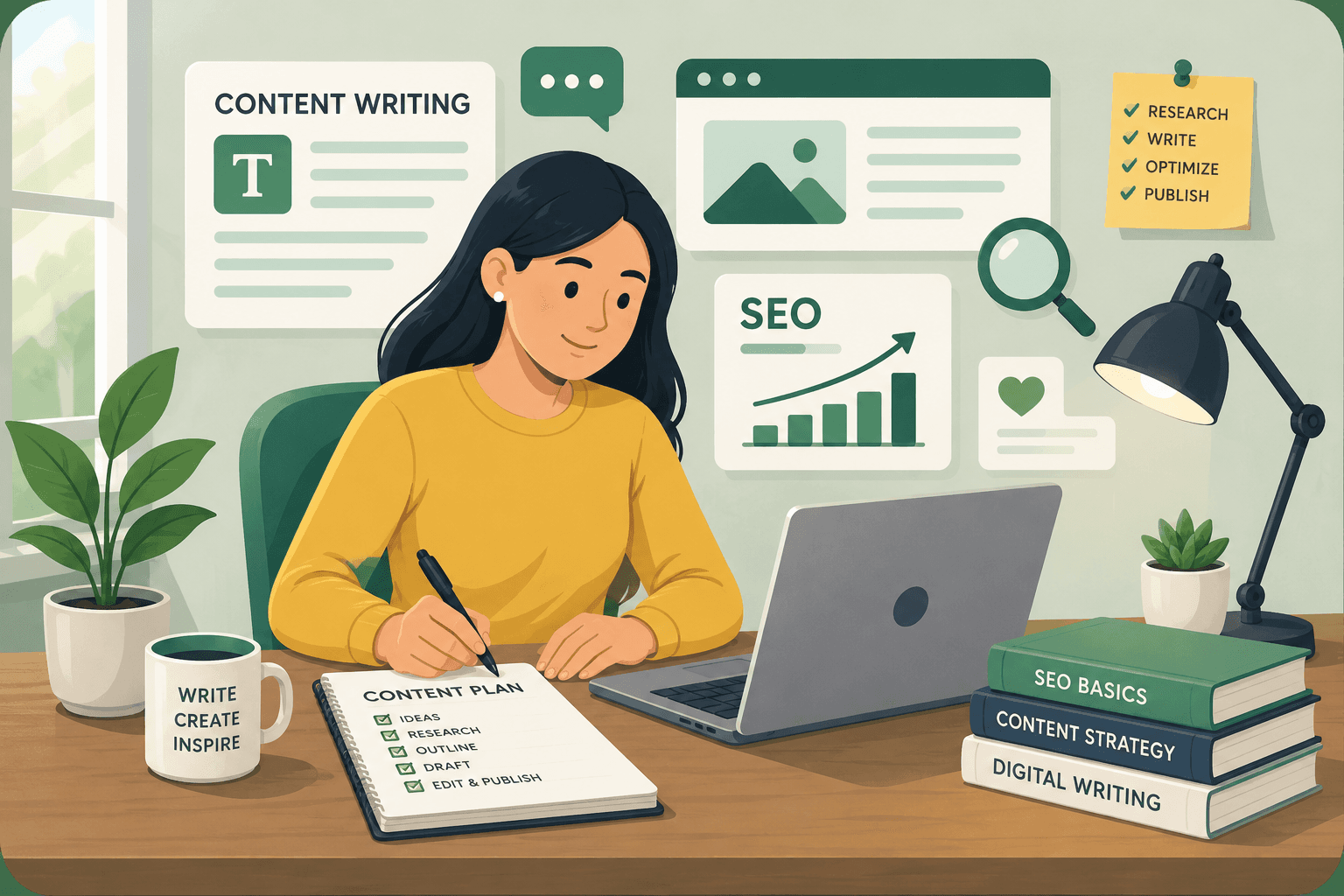
Learn content writing, SEO basics, and AI-assisted digital communication skills
Explore blogging, freelance writing, and modern online content opportunities
Understand how writers create visibility across brands, websites, and platforms
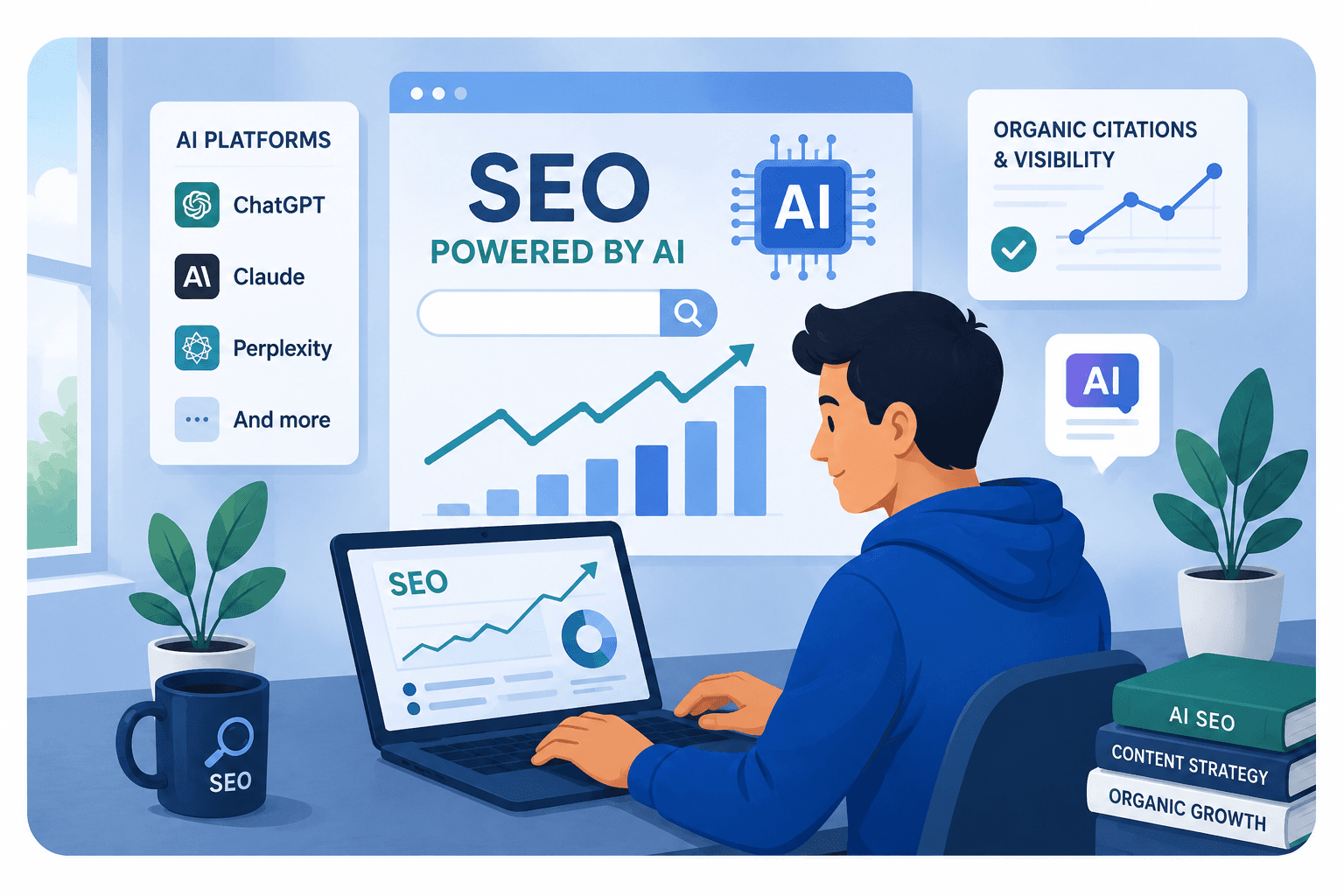
Learn SEO strategies, AI-assisted optimization, and future-ready search workflows
Understand organic visibility across Google, ChatGPT, Claude, and Perplexity
Explore AI-powered search trends, content discovery, and digital growth systems
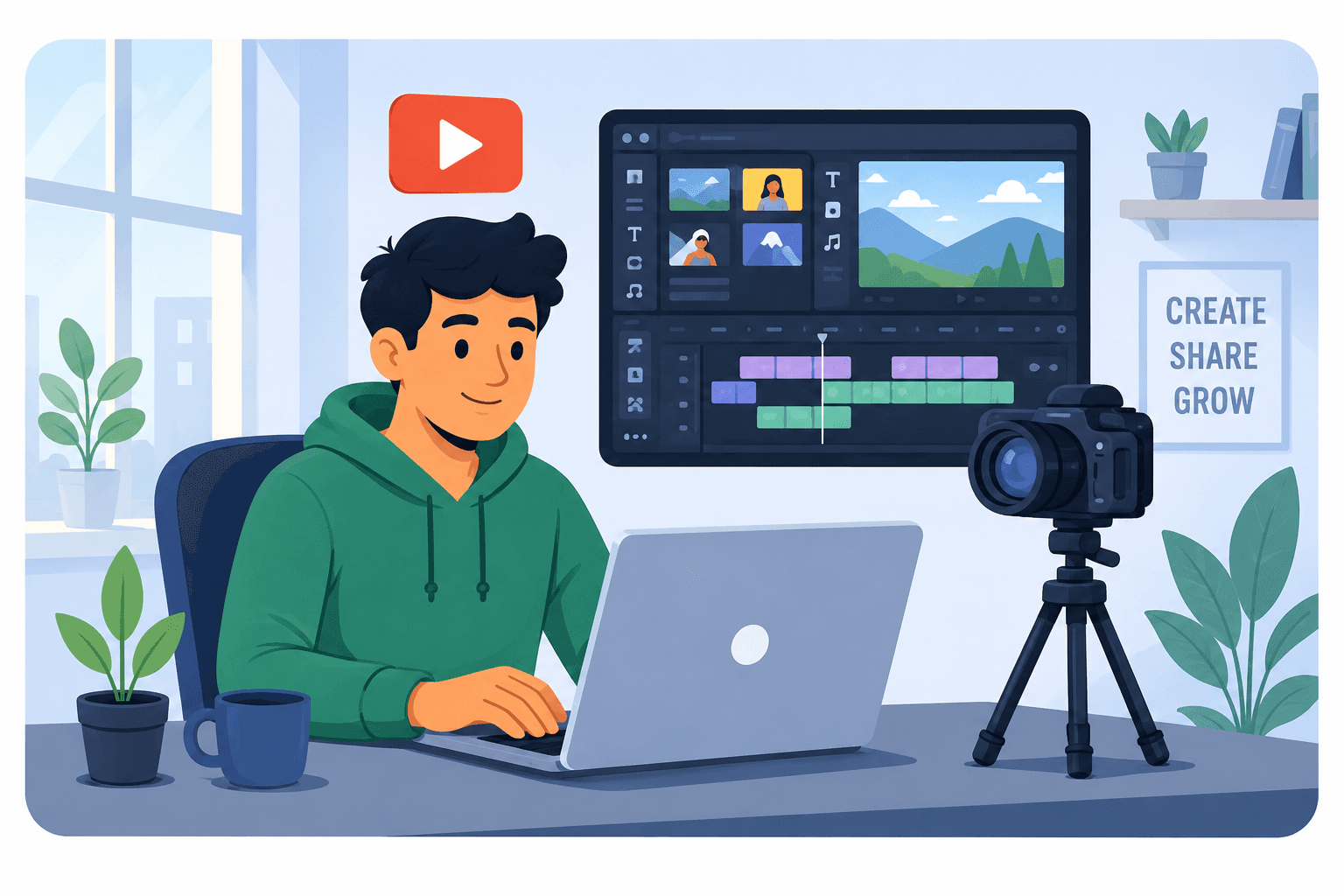
Explore video editing, AI-powered creator tools, and modern content workflows
Learn beginner-friendly skills for YouTube, reels, and digital storytelling
Discover creator opportunities, audience growth, and personal brand building
The digital space has expanded rapidly over the last few years. New tools, certifications, and roles appear almost every month, each claiming to offer better opportunities and faster growth.
Social media platforms amplify success stories, while course providers promise quick results.
At the same time, automation and AI are reshaping how work is done, making it harder to understand which skills will remain valuable long term.
For students and professionals alike, the challenge is not a lack of options, it’s an excess of them.
Without a clear structure, it becomes difficult to separate foundational skills from temporary trends.

Making informed decisions becomes easier when you follow a clear structure. Instead of chasing trends or reacting to noise, a structured approach helps you understand what to learn, where to learn it, and how it connects to real career outcomes.
Every recommendation is reviewed for clarity, relevance, and long-term value before it appears on the site.
Does this skill or course reflect how work is actually done today?
Does it build real understanding, not just surface familiarity?
Is the structure transparent, structured, and outcome-oriented?
Will this knowledge remain useful beyond short-term trends?
Is it suitable for beginners, early professionals, or experienced learners?
Are free and paid paths both considered based on value, not marketing?
A digital career involves using technology, online platforms, content, data, marketing, AI, or digital tools to create value and solve problems. Examples include content writing, SEO, digital marketing, video creation, analytics, and creator-focused careers.
The right career depends on your interests, strengths, values, communication skills, learning style, and long-term goals. Before choosing a career path, it is important to understand what motivates you, what you enjoy doing, and where your natural abilities lie. A personal SWOT analysis, self-assessment, and structured career guidance can help you identify digital career options that align with your strengths and aspirations.
Yes. Many digital careers allow beginners to build practical skills through guided learning, projects, certifications, internships, freelancing, and portfolio development before applying for jobs.
Skills such as content writing, SEO, AI-assisted content creation, social media marketing, video creation, analytics, digital marketing, and creator-focused skills continue to be in demand across industries. As businesses increasingly adopt digital and AI-driven technologies, professionals with a combination of technical, creative, and strategic skills are likely to have stronger career opportunities.
Yes. AI can assist with content creation, but businesses still need professionals who can research, strategize, edit, optimize, and create content that connects with audiences and supports business goals.
Yes. SEO remains a valuable career path because businesses continue to depend on search visibility to attract customers and grow online. Professionals who understand search intent, content strategy, technical SEO, analytics, and AI-driven search trends continue to be in demand across industries.
Yes. Many BA English graduates transition into content writing, SEO, content strategy, digital marketing, social media management, corporate communication, and creator-focused careers. Strong communication, research, and analytical skills often provide a solid foundation for these digital career paths.
AI is changing how digital work is performed, but it is not eliminating the need for human creativity, critical thinking, communication, strategy, and decision-making. Professionals who learn to work alongside AI are likely to have stronger career opportunities.
Many students and professionals choose courses based on trends, social media hype, peer pressure, or salary expectations without fully understanding their strengths, interests, and career goals. This often leads to confusion, frustration, and wasted time. Career guidance helps individuals make informed decisions, identify suitable opportunities, and build a clearer path toward long-term growth and success.
A degree can be helpful, but it is not always the deciding factor in digital careers. Employers and clients often value practical skills, portfolios, projects, certifications, communication abilities, and problem-solving skills. With the right guidance, learning path, and consistent effort, many individuals build successful digital careers regardless of their academic background.